Things to Do in Mae Sot in August
August weather, activities, events & insider tips
Low Season · Budget Friendly
August Weather in Mae Sot
Long-run averages for August
86°F (30°C)
High Temp
73°F (23°C)
Low Temp
13.9 inches (353 mm)
Rainfall
88%
Humidity
26
Rainy Days
13
Sunny-Day UV
⚠ Flash flooding occurs in Mae Sot's lower-lying streets and on rural roads after sustained downpours. The Moei River can rise rapidly. Avoid areas near the riverbank during and immediately after heavy storms. If you are driving, do not attempt to cross flooded road sections: the water is often deeper and faster-moving than it appears. Turn around.
⚠ Landslides close sections of the mountain roads south and west of Mae Sot several times during August, the routes toward Pha Charoen and Umphang. Always check conditions locally before setting out. Never drive these roads after dark in the wet season. Plan accordingly.
⚠ Mosquito-borne disease risk is elevated throughout August. Mae Sot and the surrounding Tak Province border zone are classified as active malaria transmission areas, and dengue cases spike during the wet months. Use repellent consistently. Sleep under treated nets where screens are absent. Seek medical attention promptly for any fever developing within two weeks of your visit.
Making the most of August in Mae Sot? Browse tours and activities in Mae Sot on GetYourGuide.
Is August Right for You?
Weigh the advantages and considerations before booking
Advantages
- + Mae Sot in August empties out. The few tourists who normally trickle through vanish entirely, leaving border markets, gem dealers, and Burmese tea shops to operate on local time alone. You will likely be the only foreigner on a low stool in a tea house on the road toward Rim Moei. The tea comes thick and Burmese style. Rain drums overhead on corrugated metal. Worth it.
- + Waterfalls surrounding Mae Sot hit peak drama in August. Pha Charoen waterfall in the national park south of town becomes a thundering cascade across its terraced limestone steps. The surrounding forest turns an almost impossibly saturated shade of green. Morning mist rises off the falls. That image stays with you for decades.
- + Accommodation rates bottom out in August. Guesthouses and small hotels that fill from November through February sit largely vacant. You can often negotiate extended-stay rates. Mae Sot becomes one of Thailand's most affordable places to base yourself for a week or more. Bring a book. Stay awhile.
- + The Burmese, Karen, and Mon food traditions that define Mae Sot's kitchen culture reward most during the rains. Monsoon season is mohinga season. The fermented fish and turmeric broth that Burmese residents eat for breakfast grows richer and more flavored when cool mornings arrive. Lahpet thoke, the tea leaf salad, carries a sharper, more pungent fermented bite from leaves harvested in the wet months. Eat early. Eat often.
Considerations
- − Rain falls on roughly 26 of August's 31 days. These are not Bangkok's polite 20-minute afternoon showers. Mae Sot sits in a valley backed against mountains. Storms build over the western hills and dump heavy, sustained rain for hours. Lower-lying streets flood regularly. Red laterite mud coats rural road shoulders. It stains everything it touches. Pack accordingly.
- − The road to Thi Lo Su waterfall near Umphang, already one of Thailand's most demanding drives with its 1,219 catalogued curves, turns hazardous in August. Landslides close sections periodically. Visibility drops to near zero in heavy downpours. Several river crossings on the unpaved final stretch can become impassable. Skip this unless you have an experienced local driver and proper four-wheel-drive. Wait for November.
- − Mosquitoes swarm in August's wet conditions. Mae Sot sits in one of Thailand's designated malaria-risk zones along the Myanmar border. Dengue poses the more common threat for short-stay travelers. Both demand serious attention. Use repellent. Wear treated clothing. Sleep under nets if your accommodation lacks proper screening. Do not cut corners here.
Settled on August? Compare hotel prices in Mae Sot for your dates on Trip.com.
Best Activities in August
Top things to do during your visit
Burmese Temple Circuit in the Monsoon Mist
Mae Sot's Burmese-influenced temples impress year-round, but August adds something the dry season cannot replicate. Wat Mani Phraison, with its Mandalay-style multi-tiered pyathat roof and jade-green Buddha image, sits wreathed in low cloud on rainy mornings. Gold leaf on the exterior catches whatever diffused light filters through. Wat Thai Wattanaram houses a reclining Buddha of imposing scale. Its gilded surface gleams against grey skies. Wet frangipani scents the grounds. Rain hits ornamental tin roofing over walkways with a soft clatter. Wat Phra That Doi Din Kiu, a short drive north, rewards the muddy climb with views across the Moei River valley where mist pools between ridgelines. You will have these places almost entirely to yourself. Mornings stay drier than afternoons. Start early. Plan for two to three hours of unhurried wandering. Cover shoulders and knees. This also helps against mosquitoes.
Booking Tip: Entry is free. No advance booking required. A hired songthaew or local driver for a half-day circuit covering all three temples works best. Arrange through your guesthouse the evening before, or find drivers near the main market area in the morning. See current guided tour options in the booking section below.
Rim Moei Border Market and Gem Quarter
The market complex near the Thai-Myanmar Friendship Bridge operates rain or shine. August's thinner crowds mean gem dealers and textile vendors have time to talk rather than hustle. Covered sections smell of dried tea leaves, sandalwood, and the slightly metallic tang of raw jade and rubies laid on velvet trays under fluorescent light. Mae Sot has anchored the cross-border gem trade for decades. Watching a dealer hold rough jade to a lamp, rotating slowly to read translucency, absorbs quietly even without buying. Textile stalls carry Burmese longyis, Karen woven bags in deep indigo and red, and Mon-style lacquerware absent from Bangkok tourist markets. Mornings before noon bring the busiest hours. Many stalls close by early afternoon. Rain usually arrives then. Treat this as a morning excursion.
Booking Tip: No booking needed. The market opens daily, with fullest selection on weekday mornings when local traders are most active. For understanding the gem trade beyond browsing, seek guided cultural walks that include the market quarter. Check the booking section below for current options covering the border area.
Pha Charoen National Park Waterfall Walk
Pha Charoen waterfall sits roughly 40 km (25 miles) south of Mae Sot town. It is a tiered limestone cascade that descends through dense forest in stepped pools. In August, the volume transforms it from a modest trickle into a roaring, mist-generating spectacle. The sound alone is worth the trip. You hear a deep, continuous rumble before the falls come into view. Layered above it: the dripping of saturated canopy and the calls of barbets and bulbuls. The air near the falls drops several degrees. It carries a mineral coolness that brings genuine relief after the humid drive. The walking trail is well-established but slippery in the wet. Uneven stone steps demand proper footwear. Plan for two to three hours including the drive and a slow walk. Leeches are present on the forest floor in August. Tuck long pants into socks. Check your ankles periodically. The park can close temporarily after extreme downpours. Confirm access at your guesthouse before heading out.
Booking Tip: Park entry requires a small national park fee paid on arrival. The drive from Mae Sot takes roughly an hour on a paved but winding road. Arrange transport through your accommodation. Or hire a local driver for the round trip. Organized nature excursions are occasionally available through the booking widget below.
Burmese Food Trail Through Mae Sot's Morning Markets
Mae Sot's food identity is unlike anywhere else in Thailand. A morning spent eating through the market stalls near the mosque and along the road toward the border is the single best way to understand why. The day starts with mohinga. This is the national breakfast of Myanmar: a thick, golden broth built on fermented fish paste and turmeric, ladled over thin rice noodles and topped with crispy fritters, sliced banana stem, and a squeeze of lime. The smell is earthy and deep. Nothing like the sweeter, more aromatic profiles of central Thai cooking. It takes a bowl or two to calibrate your palate if this is your first encounter. Follow it with lahpet thoke. This fermented tea leaf salad tastes simultaneously bitter, sour, nutty, and sharp from raw garlic and dried shrimp, tossed with roasted peanuts and sesame seeds. The texture is grainy and slightly oily. Completely unlike anything in the Thai repertoire. Burmese-style tea shops, identifiable by their low tables and condensed-milk tea served in small glasses, function as the social infrastructure of Mae Sot's Burmese community. Sit, drink, watch. The market is most active between 6 and 9 AM. The temperature at that hour, around 23°C (73°F), is as comfortable as August gets.
Booking Tip: No booking required. The morning market operates daily. If you want context and a guide who can navigate the Burmese and Karen food stalls with local knowledge, look for food-focused cultural walks. Check the booking section below for any available guided experiences in the Mae Sot area.
Karen Weaving Village Visits in the Surrounding Hills
The hills and valleys around Mae Sot are home to long-established Karen communities. Their hand-weaving tradition produces some of the finest textile work in Southeast Asia. Visiting a weaving village in August means arriving when the looms are busiest. Wet-season downtime from fieldwork is traditionally when women weave. The rhythmic clack of shuttle against frame is the dominant sound in these settlements during the rains. The textiles use natural dyes. Indigo from local plants produces deep blues that are almost black when wet. The patterns carry meanings tied to Karen cosmology and clan identity that a local guide can explain. The drive to the nearest accessible villages takes 30 to 45 minutes from Mae Sot on roads that are muddy but passable in August with a capable vehicle. The air in the hills sits cooler than the valley floor. Cloud often hangs low enough to brush the treetops. These visits have a quiet, enclosed atmosphere that the sunny dry season lacks entirely.
Booking Tip: These visits work best with a local guide who has established relationships in the communities. Arrange through guesthouses or community tourism organizations in Mae Sot at least a day or two in advance. A half-day is sufficient. Check the booking section below for any cultural tour options that include Karen communities in the Tak Province area.
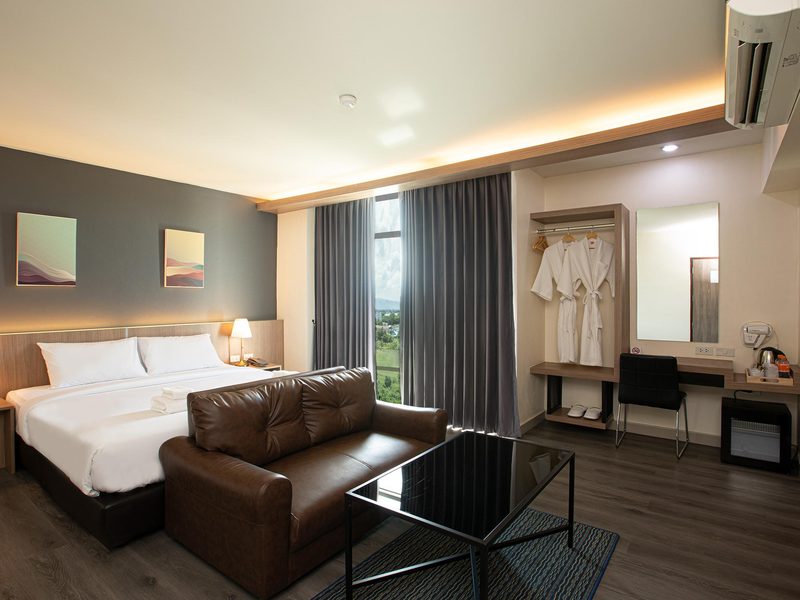
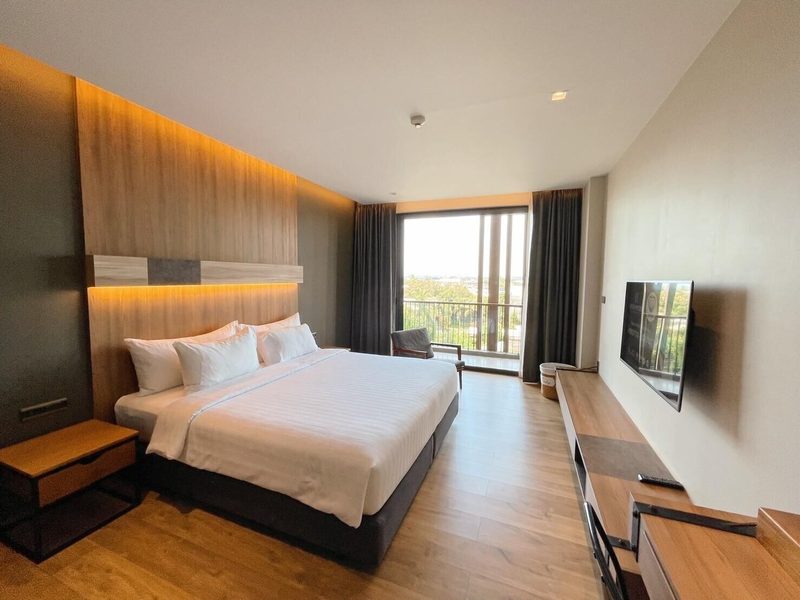
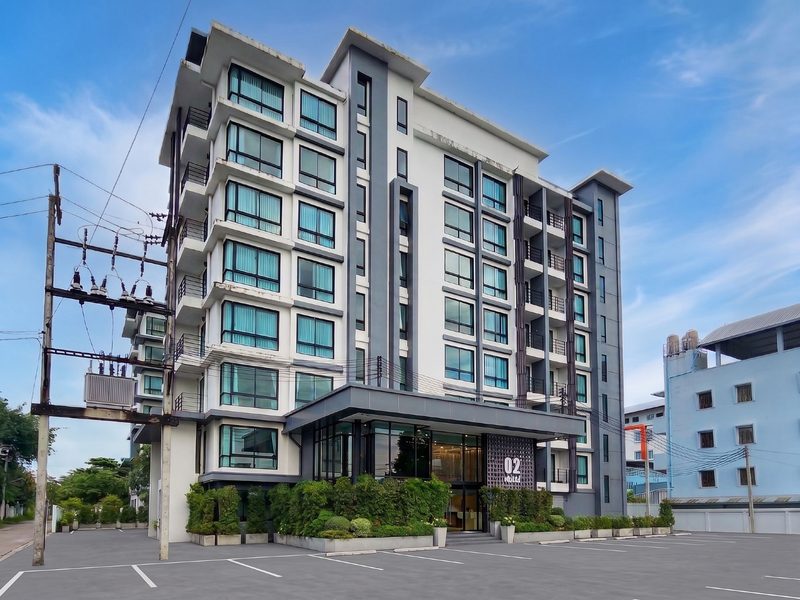
Where to Stay in Mae Sot in August
Hand-picked hotels across price tiers for August travellers.
Public Holidays in August
Dates that affect opening hours, transport and crowds
HM Queen Sirikit The Queen Mother's Birthday; National Mother's Day
Observed nationwide as a public holiday. Date calculated from the national holiday calendar.
HM Queen Sirikit The Queen Mother's Birthday; National Mother's Day
Observed nationwide as a public holiday. Date calculated from the national holiday calendar.
HM Queen Sirikit The Queen Mother's Birthday (in lieu); National Mother's Day
Observed nationwide as a public holiday. Granted in lieu when the holiday falls at a weekend. Date calculated from the national holiday calendar.
Packing Checklist
Bookmark this page — your progress is saved between visits
Need the full list with shopping links?
Climate-specific gear, brand recommendations, and what to leave at home.
View Mae Sot Packing List →Essential Tips
Insider knowledge and common pitfalls to avoid
Insider Knowledge
The gem market near the border operates on a rhythm that most visitors miss entirely. Serious trading happens between roughly 7 and 10 AM, and the real dealers, the ones who have been working this border for decades, are the quiet older men sitting at small tables with a single lamp and a loupe, not the louder stalls with glass display cases. You do not need to buy anything to appreciate the theatre of a jade negotiation conducted in a mix of Burmese, Thai, and Mandarin. But go in the morning or do not bother.
Mae Sot's Burmese tea shops are the town's actual social infrastructure, and sitting in one for an hour teaches you more about the place than any temple visit. Order tea sweet with condensed milk by holding up one finger, or black and unsweetened by holding up two. The shops near the mosque area and along the road toward the bridge are the longest-running and the ones where the local Burmese community gathers. Mornings and late afternoons are the busiest.
If you are driving or riding to Pha Charoen waterfall or into the hills, check road conditions at your guesthouse each morning. August landslides on the mountain roads south and west of Mae Sot happen several times a month, and locals always know which routes are currently passable before any official announcement catches up. The laterite backroads turn to deep, clay-red mud after sustained rain, and even a motorbike with knobby tires can get stuck.
The night market in central Mae Sot, near the municipal offices, is more rewarding than the border market for actual eating. The Burmese curries served over rice at the stalls closest to the mosque side tend to be the most aromatic, built on slow-cooked shallot and dried shrimp pastes that have no equivalent in Thai cooking. Point at what looks good. The vendors are used to the language gap and will plate a generous portion.
Avoid These Mistakes
Arriving with only flip-flops and cotton t-shirts, expecting the same manageable rain you experienced in Bangkok or Chiang Mai. Mae Sot's August rainfall is nearly 353 mm (13.9 inches) across 26 wet days, and the storms here are heavier and longer-lasting than most Thai cities because the mountain topography traps weather systems in the valley. Travelers who come unprepared for real rain end up spending half their trip in their guesthouse waiting for gear to dry.
Do not attempt the drive to Thi Lo Su waterfall near Umphang without a local driver or proper vehicle. The 1,219-curve mountain road is famous for a reason. In August, fog, rain, and potential landslides make it dangerous for anyone unfamiliar with the route. Skip the rented motorbike here. If Thi Lo Su is your primary reason for coming to Mae Sot, wait until November when conditions are manageable and the waterfall is still flowing well.
Do not neglect mosquito protection by assuming Mae Sot carries the same low malaria risk as central Thailand. The border zone has active transmission. August's standing water and dense vegetation create ideal breeding conditions. Relying on air conditioning alone and skipping repellent during dawn and dusk outings is an unnecessary risk. Consult a travel health clinic before your trip about prophylaxis options appropriate for this specific region.
Short on time? See day trips around Mae Sot on GetYourGuide.
Ready to plan your trip to Mae Sot?
Now that you've got the research covered, here's where to go next.
Explore More Activities in Mae Sot
Didn't see anything interesting yet?
Browse Viator's full catalog of tours, day trips, food experiences, and private guides in Mae Sot.
See All Mae Sot Tours on Viator