Things to Do in Mae Sot in September
September weather, activities, events & insider tips
Low Season · Budget Friendly
September Weather in Mae Sot
Long-run averages for September
89°F (31°C)
High Temp
74°F (23°C)
Low Temp
8.1 inches (206 mm)
Rainfall
89%
Humidity
20
Rainy Days
12
Sunny-Day UV
⚠ Monsoon rains can cause flash flooding on low-lying roads around Mae Sot, along the Moei River. Avoid crossing flooded roadways on foot or by motorbike. Water depth and current are difficult to judge. Wait it out.
⚠ The mountain road south to Umphang, Highway 1090, is prone to landslides in September. Sections can close without warning, sometimes stranding vehicles for hours. Do not attempt this route without confirmed road-status information from local authorities. Verify first.
⚠ Mosquito-borne dengue fever risk increases significantly during monsoon season in Tak Province. Use repellent consistently, at dawn and dusk near standing water along the river and in the market areas. Protect yourself.
⚠ Leeches are common on forest trails and in grass around waterfalls during September. Wear closed shoes and long socks if you plan any hiking. Check exposed skin after walking through wet vegetation. Bring salt.
Making the most of September in Mae Sot? Browse tours and activities in Mae Sot on GetYourGuide.
Is September Right for You?
Weigh the advantages and considerations before booking
Advantages
- + September transforms the Moei River valley into something electric. Rice paddies flood to mirror finish, and hills behind Tak Province vanish into low cloud. That cloud burns off by mid-morning. This is Mae Sot at its most photogenic. You will shoot through rain-streaked windows half the time anyway.
- + Mae Sot's Burmese-style temples, border markets, and riverside walks are yours alone. The town barely registers on tourist itineraries in peak season. In September, guesthouses along the main road run near-empty. Accommodation hits its cheapest rates. You will not compete for tables at the morning market.
- + September rainfall arrives in concentrated afternoon and evening downpours. All-day drizzle is rare. Mornings stay clear enough for temple visits and market grazing. You get five to six reliable hours. The sky opens around 2 PM.
- + Waterfalls near Mae Sot, in Umphang district to the south, run at monsoon volume. Thi Lo Su, one of Southeast Asia's largest cascades, thunders at a scale dry-season visitors never witness. The trade-off is access. We will get to that.
Considerations
- − Twenty days of rain in one month makes weather planning mandatory. It structures your entire day. Humidity at 89% turns short walks into wading through warm soup. Cotton stays damp for hours. Afternoons indoors become near-certain.
- − The route south to Umphang and Thi Lo Su Waterfall, normally 1,219 curves over 164 km (102 miles), turns treacherous in September. Sections wash out. Landslides close the road for hours or days. Some tour operators suspend Umphang trips entirely from July through September. If Thi Lo Su is your primary reason for visiting, September is the wrong month.
- − Mae Sot's limited tourist infrastructure thins further in monsoon season. Some restaurants and guesthouses reduce hours or close for wet months. The border market at Rim Moei operates on abbreviated schedules when rain keeps Myanmar traders home. You must be comfortable with improvisation. Occasional dead ends happen.
Settled on September? Compare hotel prices in Mae Sot for your dates on Trip.com.
Best Activities in September
Top things to do during your visit
Burmese Temple Circuit on Foot
Mae Sot holds something no other Thai town this size matches: a concentration of Burmese-style Buddhist temples within walking distance, each architecturally distinct from Thai wats elsewhere. Wat Thai Wattanaram shelters a massive reclining Buddha beneath a gilded pavilion where air smells of sandalwood incense and damp teak. Wat Mani Phraison glitters with mosaic mirror-work and tiered spires of Mandalay-school architecture. In September, temple grounds stay rain-washed and quiet. Stone walkways turn slick underfoot. Morning light filtering through monsoon clouds gives everything a soft, silvered quality that harsh dry-season sun flattens. Start early, around 7 AM. Monks still collect alms along the main road. The heat has not yet set in. Cover the main temples in three to four hours. Retreat indoors when afternoon rain arrives.
Booking Tip: No booking needed for the temples themselves. For a guide who explains Burmese Buddhist iconography and the history of Mon and Karen communities who built these temples, arrange through your guesthouse at least one day ahead. See the booking section below for guided cultural tour options in the area.
Morning Market Food Walk at Talat Chao
Mae Sot's dawn market reveals the town's Thai-Burmese identity most honestly, through food. By 5:30 AM, concrete aisles ring with Burmese spoken as often as Thai. Smells hit in layers: the sour-fermented funk of ngapi, turmeric-stained mohinga broth ladled from blackened stockpots, oily sweetness of deep-fried samosas piled on newspaper. Mohinga, Burma's national breakfast of rice-noodle soup with catfish-and-banana-stem broth, is served here the Mawlamyine way. Not the Bangkok interpretation. You will also find lahpet thoke, fermented tea-leaf salad that is bitter, crunchy, oily, and sour all at once. It takes three bites to understand. Then it becomes addictive. September mornings before rain stay warm but not yet punishing, around 25 to 27 degrees Celsius (77 to 81 degrees Fahrenheit). The market is calmest now. Monsoon season keeps casual weekend visitors away. Budget ninety minutes. Come hungry.
Booking Tip: No formal tour needed. The market sits on the main road in central Mae Sot. Hours run roughly 5 AM to 9 AM daily. For context on what you are eating, local food-focused walking guides can be arranged through guesthouses. Check the booking widget below for food-themed experiences available in the region.
Cave Exploration at Tham Mae Usu
Tham Mae Usu, a river cave system roughly 26 km (16 miles) north of Mae Sot, reaches dramatic water levels in September. You enter by bamboo raft, poled through a cave mouth smelling of wet limestone and bat guano, into chambers where stalactites drip into an underground river running fast with monsoon water. Darkness is total beyond the guide's headlamp. Rushing water echoes, making the space feel larger than it is. This is not a polished show cave. It is rough, wet, and atmospheric in ways only monsoon flood stage creates. The road to the cave is paved and generally passable even in heavy rain, unlike the Umphang route. Plan a half day including travel time.
Booking Tip: You need a local guide with bamboo rafts. The cave is not safely navigable solo. Arrange through your accommodation or a licensed tour operator in Mae Sot at least two days ahead. September is low season, and guides may not be stationed at the cave daily. Current options may appear in the booking section below.
Moei River and Border Viewpoint Walk
The walk along the Thai bank of the Moei River, from the Friendship Bridge south past Rim Moei Market, is Mae Sot's most revealing hour. In September the river runs high and muddy brown with monsoon runoff, close enough to the bank that you can smell the silty, mineral scent of moving water. Myanmar's Myawaddy sits right there across the current, close enough to read shop signs, and the contrast between the two riverbanks tells you more about the region's complexity than any guidebook paragraph could. The border market at Rim Moei, when open, sells Burmese lacquerware, thanaka paste, and longyis at prices that reflect a local economy rather than a tourist one. September afternoons can close the market early, so go in the morning. The Friendship Bridge itself, a span of roughly 420 m (1,378 ft), is worth walking to even if you are not crossing, for the view upriver where the hills stack into blue-grey monsoon haze.
Booking Tip: No booking required. The riverside walk and Rim Moei Market are freely accessible. Check border-crossing status before planning any trip to the Myanmar side, as regulations and access change frequently. The walk itself is flat and takes about an hour at a slow pace.
Hill-Country Day Trip to Doi Hua Mot and Karen Villages
The hills west and south of Mae Sot are home to Karen, Hmong, and other highland communities, and September dresses the landscape in the kind of layered green that makes the dry-season version of these same hills look like a different country. Doi Hua Mot, a viewpoint roughly 30 km (19 miles) from town, puts you above the cloud line on clear mornings, looking down at mist pooled in the valleys and the Moei River glinting far below. The air up here is noticeably cooler, maybe 22 to 24 degrees Celsius (72 to 75 degrees Fahrenheit), and smells of wet earth and pine. Karen villages along the route live by rice farming and weaving, and September is planting season, so the paddies are flooded and the work is visible from the road. This is not a theme-park cultural experience. It is agricultural Thailand at a pace that the cities left behind decades ago. Road conditions vary in September, so a four-wheel-drive vehicle or motorbike with off-road capability is strongly recommended.
Booking Tip: Arrange a driver or join a small-group day trip through a licensed operator in Mae Sot. Book at least three days ahead in September, as not all operators run this route during monsoon season. Check the booking widget below for available day-trip options in the Tak Province region.
Where to Stay in Mae Sot in September
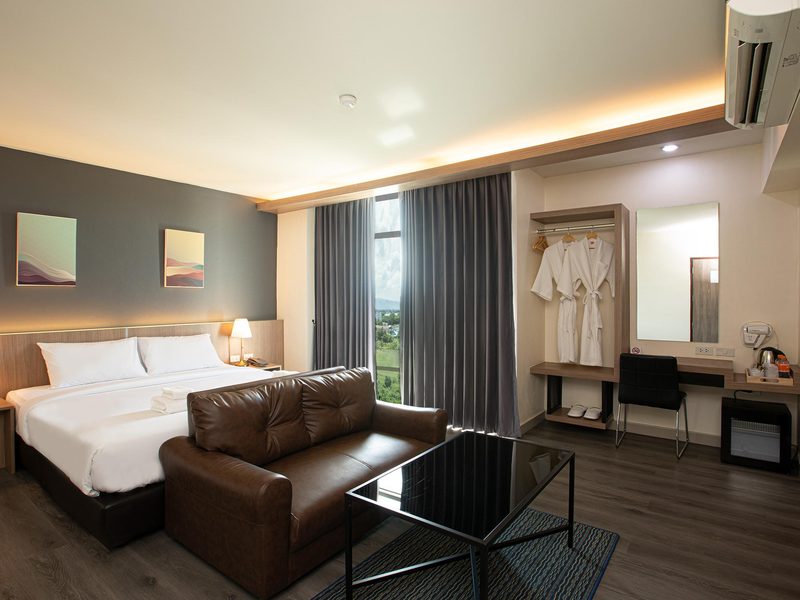
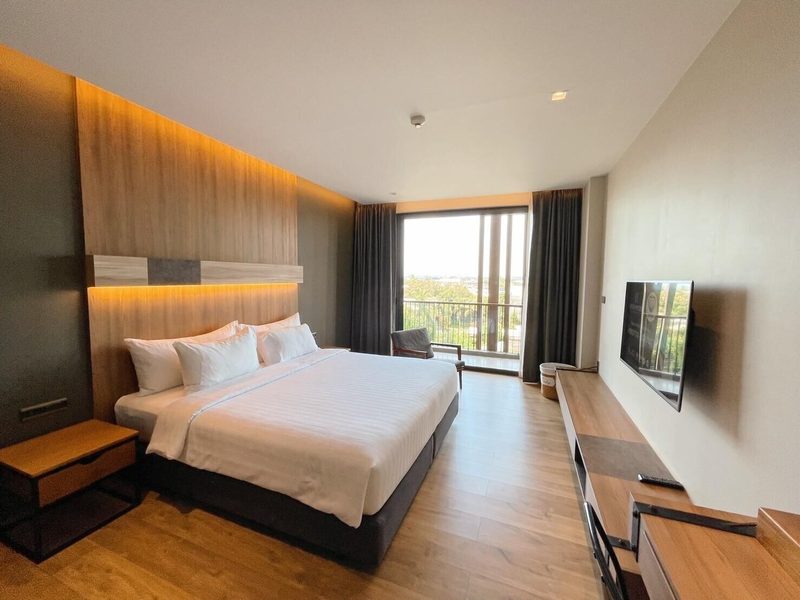
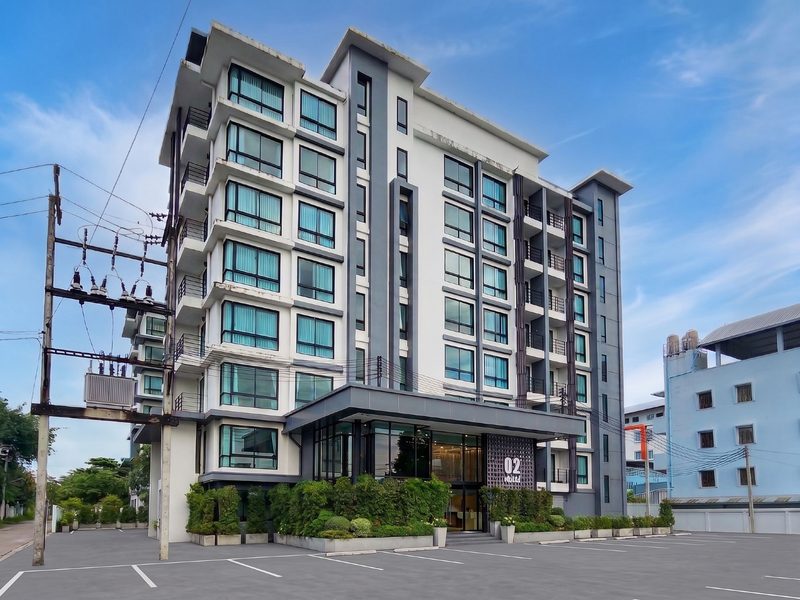
Hand-picked hotels across price tiers for September travellers.
Packing Checklist
Bookmark this page — your progress is saved between visits
Need the full list with shopping links?
Climate-specific gear, brand recommendations, and what to leave at home.
View Mae Sot Packing List →Essential Tips
Insider knowledge and common pitfalls to avoid
Insider Knowledge
Mae Sot runs on Burmese time as much as Thai time. The morning market peaks between 6 and 7 AM, and by 8 the best mohinga stalls have packed up. If you arrive at 9 expecting breakfast options, you will find cleaned counters and stacked stools. Set an alarm.
The gem traders along the main road are a genuine part of Mae Sot's economy, not a tourist trap. Buying jade or rubies here without expert knowledge is a way to spend a lot of money on something worth much less. Window-shop freely. Ask questions. Unless you brought a loupe and know your inclusions, keep your wallet closed.
September is when Mae Sot's resident community of Burmese, Karen, and other Myanmar-origin families is most visible in daily life. The town's population is estimated to be more than half of Myanmar origin. The cultural texture, from the food to the temple architecture to the Burmese script on shop signs, makes Mae Sot feel less like Thailand and more like a place that exists between two countries. Engage with this openly. It is the town's defining quality.
If the road to Umphang is closed by landslide, do not attempt it on a motorbike or in a sedan. Even locals wait. The 1,219-curve route is not a place where optimism about road conditions is rewarded. Ask your guesthouse for current conditions before committing to any southbound plan. Have a backup day in town ready.
Avoid These Mistakes
Planning a trip around Thi Lo Su Waterfall in September without checking road conditions first is a gamble. The waterfall is spectacular at monsoon volume. The road to Umphang closes unpredictably, sometimes for days. Travelers who build their itinerary around this single attraction end up stranded in Mae Sot with no Plan B and rising frustration.
Underestimating the humidity is a common mistake. Thirty-one degrees Celsius (89 degrees Fahrenheit) at 89% humidity feels substantially worse than 36 degrees Celsius (97 degrees Fahrenheit) in the dry season, because your sweat does not evaporate. Travelers who pack for temperature alone and ignore the moisture component hit a wall by noon. Pack accordingly.
Assuming the border crossing to Myawaddy is straightforward is risky. Regulations, opening hours, and accessibility change with political conditions on the Myanmar side. What was possible last month may not be possible this month. Check current status through your guesthouse or the immigration office at the Friendship Bridge before walking over with your passport.
Short on time? See day trips around Mae Sot on GetYourGuide.
Ready to plan your trip to Mae Sot?
Now that you've got the research covered, here's where to go next.
Explore More Activities in Mae Sot
Didn't see anything interesting yet?
Browse Viator's full catalog of tours, day trips, food experiences, and private guides in Mae Sot.
See All Mae Sot Tours on Viator