Things to Do in Mae Sot in March
March weather, activities, events & insider tips
Low Season · Budget Friendly
March Weather in Mae Sot
Long-run averages for March
96°F (36°C)
High Temp
68°F (20°C)
Low Temp
0.8 inches (20 mm)
Rainfall
55%
Humidity
11
Sunny-Day UV
⚠ Burning season hits from agricultural clearing and forest fires across Tak Province and western Thailand. Persistent smoke haze blankets March. Air quality regularly reaches unhealthy levels. AQI readings exceed 150. Hazardous days above 200 occur. Fine particulate matter (PM2.5) is the primary threat. Carry N95 or KN95 masks. Monitor readings daily. Cancel outdoor plans on high-pollution days. Travelers with asthma, COPD, or cardiovascular conditions should avoid Mae Sot entirely in March.
⚠ Extreme heat brings average highs of 36°C (96°F). This creates genuine risk of heat exhaustion and heatstroke. Travelers unaccustomed to tropical temperatures face particular danger from 11 AM to 3 PM. Hydrate aggressively. Seek shade. Do not attempt extended outdoor exertion during peak heat. Dry air at 55% humidity masks fluid loss. Sweat evaporates fast. Drink more than you think you need.
Making the most of March in Mae Sot? Browse tours and activities in Mae Sot on GetYourGuide.
Is March Right for You?
Weigh the advantages and considerations before booking
Advantages
- + Driest stretch of the year with only about 0.8 inches (20 mm) of rainfall, which means unpaved roads to waterfalls and caves remain passable and river crossings stay shallow enough for wading
- + Low humidity at 55% makes the heat considerably more bearable than the wall of moisture that arrives by May, and mornings before 8 AM settle around 20°C (68°F) with a pleasant coolness
- + Tourist numbers are at their thinnest because Mae Sot sits outside every mainstream Thailand itinerary, so temple grounds, the border market, and the gem quarter feel unhurried and local
- + The Moei River runs low and clear, exposing sandbars along the Thai-Myanmar border where locals fish in the early morning light, and the surrounding teak forests have a dry golden quality that photographs well in the slanted dawn
Considerations
- − Agricultural burning season is in full effect across Tak Province and western Thailand by March, with farmers clearing fields and forest fires sending plumes of grey-white haze across the valley. Air quality regularly drops to unhealthy levels, and on bad days the surrounding hills disappear entirely behind a flat wall of smoke. This is not a minor nuisance: it affects breathing, cancels any hope of scenic views, and turns outdoor exertion into a genuine health decision.
- − Afternoon heat is punishing. By 1 PM the concrete radiates a dry, throbbing warmth that makes walking the border market feel like standing next to an open oven, and shade provides only marginal relief. Plan to be indoors or near water from noon to 4 PM or accept that you will be miserable.
- − Mae Sot's infrastructure caters to traders, NGO workers, and cross-border commerce rather than leisure travelers. Expect limited English signage, no tuk-tuk tourist circuit, and a town layout that assumes you arrived with a purpose rather than a guidebook. That rawness is the appeal for some. But if you need things curated and easy, this is the wrong destination.
Settled on March? Compare hotel prices in Mae Sot for your dates on Trip.com.
Best Activities in March
Top things to do during your visit
Early Morning Rim Moei Border Market Exploration
The border market large along the Moei River starts moving at sunrise, when the heat is still tolerable and the smoke haze has not yet thickened. By 6:30 AM the air smells of charcoal-grilled Burmese flatbread and strong tea brewed in soot-blackened kettles, and Karen traders lay out hand-woven textiles on plastic tarps still damp with dew. March's low water exposes more of the riverbank, and you can walk along the Thai side watching long-tail boats ferry goods across the shallow channel. The market is at its most honest before 9 AM, before the midday heat empties the stalls and the persistent haze from crop burning settles into the valley. Bring a mask for the smoke and a bandana for the dust. By 10 AM you should be heading back to air conditioning.
Booking Tip: No booking needed. This is a self-guided walk. Arrive by 6:30 AM and allow two to three hours. The market sits at the western end of Mae Sot's main road. Songthaews run from the town center, or it is a manageable 3 km (1.9 miles) walk if you start early enough to beat the heat.
Tham Mae Usu Cave System Underground Trek
One of Thailand's longest cave systems sits about 30 km (18.6 miles) north of Mae Sot, and March is arguably the single best month to explore it. The dry season means water levels inside the cave are at their lowest, opening passages that flood entirely during the monsoon months from June through October. The temperature underground holds steady near 23°C (73°F) regardless of the scorching surface heat, which feels like stepping into a different climate. You will wade through knee-deep pools of cool water, duck under stalactite formations in chambers that echo with dripping, and smell the mineral tang of wet limestone in passages barely wide enough for your shoulders. This is not a polished show cave with handrails. Headlamps are mandatory, and the footing is uneven rock slick with clay. March's low water makes the deepest chambers accessible. But bring clothes you can get wet and shoes with aggressive grip.
Booking Tip: A local guide is essential since the cave system branches extensively and has no marked trails. Arrange through guesthouses in Mae Sot at least two to three days ahead. Expect a full-day commitment including transport. See current options in the booking section below for guided cave experiences in the area.
Burmese Temple Circuit by Motorbike
Mae Sot has more Burmese-style temples than any town this size in Thailand has any right to, a legacy of centuries of cross-border migration that gives the skyline an unexpected silhouette of tiered pyathat spires and gold-leafed stupas. Wat Mani Phraison near the town center holds a reclining Buddha modeled after Yangon's Shwedagon proportions, and its courtyard fills with the scent of jasmine garlands left at morning offerings. Wat Thai Wattanaram, about 2 km (1.2 miles) south, mixes Thai and Mon architectural styles and sits quiet enough in March that you can hear the wooden wind chimes clacking in whatever breeze finds its way through the haze. A motorbike lets you cover four or five temples in a morning loop before the heat turns hostile. Start by 7 AM, when the monks are finishing their alms rounds and the temple dogs are still too sleepy to follow you, and wrap up by 11 AM.
Booking Tip: Motorbike rental is available throughout town and requires no advance booking. A half-day is sufficient for the main circuit. If you prefer not to drive, songthaews connect the central temples, though the schedule is irregular. For organized cultural tours of the area, see current options in the booking section below.
Burmese and Karen Food Trail Through Mae Sot's Market Quarter
Mae Sot eats nothing like the rest of Thailand. March mornings are your only window before the heat murders your appetite. The municipal market near town center sells mohinga, Burma's national dish, from stalls where broth has bubbled since 4 AM. It smells of turmeric, lemongrass, and dried shrimp pounded to paste. Karen vendors sell bamboo-shoot curries with a fermented funk that takes a moment to love. Then you crave it. Burmese tea shops east of the market serve tea so sweet it coats your teeth. Samosa-like parcels come filled with curried potato, fried until the pastry shatters. This is not Bangkok food tourism. Menus are in Burmese script or absent entirely. Pointing is expected. The plastic stools sit low enough that your knees hit your chest. The flavors reward every awkward moment.
Booking Tip: No booking required. Hit the municipal market by 6:30 AM. Work outward through surrounding streets. Allow two to three hours of grazing. Bring small bills. For guided food experiences in the broader region, see current options in the booking section below.
Lan Sang National Park Waterfall Hike
Lan Sang sits 15 km (9.3 miles) south of Mae Sot along a road cutting through dry dipterocarp forest. Fallen leaves crackle underfoot in March. The main waterfall cascades in tiers over mossy rock. Dry season thins the flow to a steady pour. Less dramatic, yes. But the pools at the base stay calm enough to sit in. Feel the cool water against skin that has radiated heat all morning. The trail to upper tiers climbs 200 m (656 ft) through forest smelling of dry teak and sun-baked earth. Cicadas produce a wall of sound so constant it becomes silence. Start at dawn. By 10 AM, exposed trail sections turn dangerous in March heat. Burning season haze often kills distance views by midmorning. Lower pools near parking offer shade if you arrive late. Upper falls demand an early start.
Booking Tip: No guided tour needed. The main trail is well-marked for the first two tiers. National park entry applies. Bring at least 2 liters of water per person. Bring sun protection. The trail runs about 2 km (1.2 miles) each way. For organized nature excursions from Mae Sot, see current options in the booking section below.
Umphang Wilderness Road and Thi Lo Su Waterfall Expedition
The road from Mae Sot to Umphang stretches 164 km (102 miles) of switchbacks through Thailand's most remote mountain terrain. Over 1,200 curves carve into ridgelines where forest drops into valleys filled with morning mist, or in March, smoke haze. Thi Lo Su, Thailand's largest waterfall by volume, waits at the end of a trek from Umphang. March thins the cascade from its monsoon peak. It remains impressive. Roughly 300 m (984 ft) wide across a tiered limestone face. Karen villages along the route sit at 800 m (2,625 ft) altitude. March nights drop cool enough for a light jacket. Roosters start well before dawn. This demands two to three days minimum. March's dry conditions make the unpaved final stretch passable. Monsoon rains would trap it in mud. The trade-off: reduced flow means the thundering roar becomes a gentler rush. The famous mist-cloud at the base largely disappears.
Booking Tip: Book through Mae Sot guesthouses or licensed trekking operators. Do this at least one week ahead. Transport and local guides in Umphang need coordination. This is not a day trip. Expect a minimum two-night commitment. For current multi-day adventure options in the region, see the booking section below.
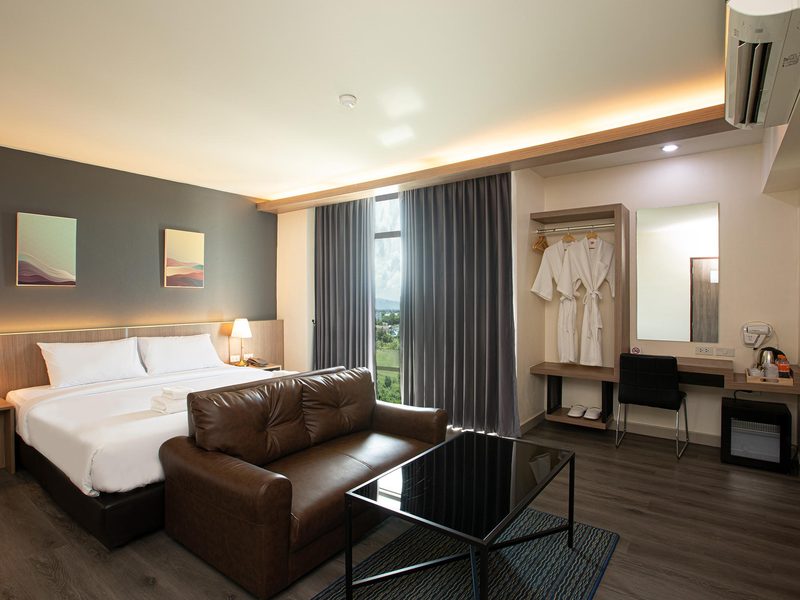
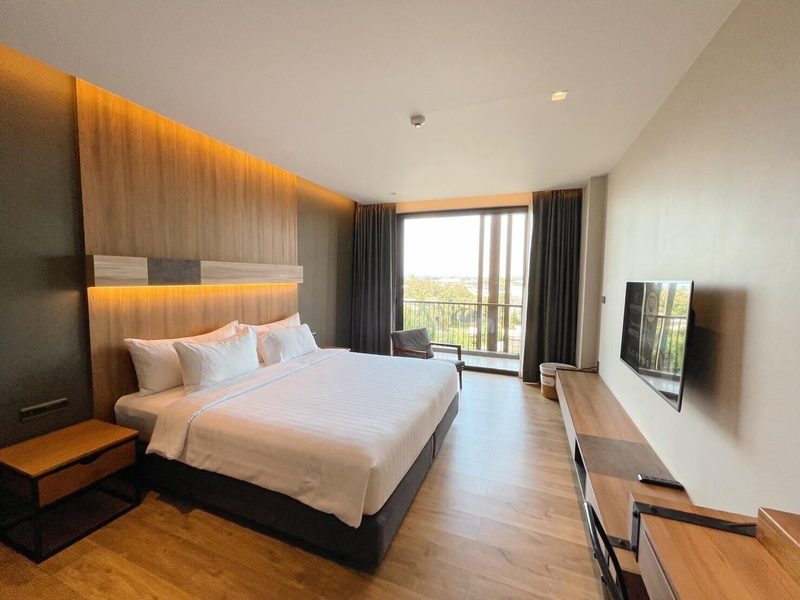
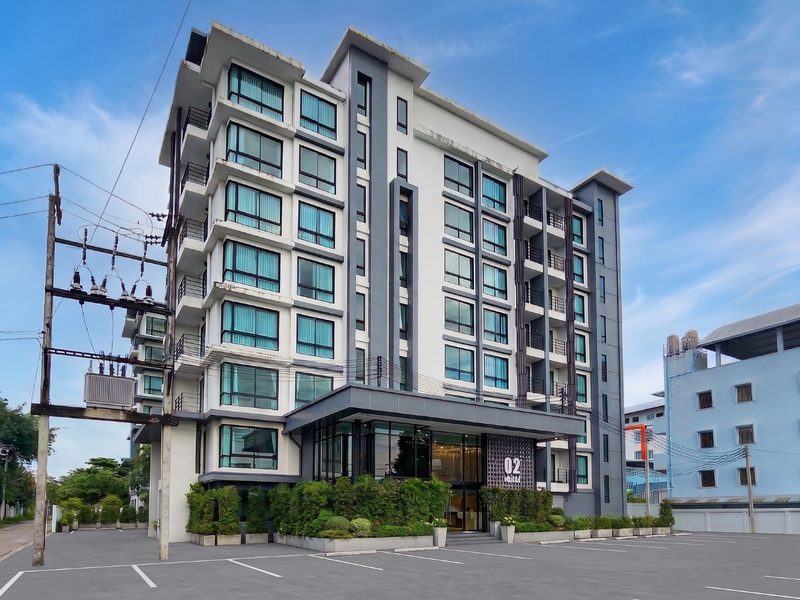
Where to Stay in Mae Sot in March
Hand-picked hotels across price tiers for March travellers.
Packing Checklist
Bookmark this page — your progress is saved between visits
Need the full list with shopping links?
Climate-specific gear, brand recommendations, and what to leave at home.
View Mae Sot Packing List →Essential Tips
Insider knowledge and common pitfalls to avoid
Insider Knowledge
The gem market near Mae Sot's center runs on invisible rhythms. Serious trading happens at dawn in shophouses along the main road. Burmese and Thai dealers examine rubies and sapphires under loupe lights. Their casual manner belies the value changing hands. By mid-morning, traders finish. Storefronts shift to lower-grade stones for visitors. Watching early trade costs nothing and fascinates. Buying demands expertise no YouTube tutorial replaces. Do not know gems? Admire them. Walk away.
Mae Sot's Burmese tea shops form the real social infrastructure here. They work like European cafes. Deals happen here. News spreads here. Time passes without urgency. Ordering is simple. Point at what your neighbor drinks. Or say 'laphet yay' for sweet milky tea. Sitting for an hour over one cup is expected. Not rude. Tea shops east of the municipal market run quieter and cooler in morning.
Check air quality before any outdoor commitment. In March, AQI in Mae Sot swings from moderate to hazardous within hours. Wind direction and nearby burning dictate this. A clear 6 AM morning can thicken to haze by 10 AM when upwind fires ignite. IQAir app or website shows real-time readings for Tak Province. AQI above 150 means caves and indoor markets. Days above 200 occur in March. Stay inside entirely then.
Drive to Umphang in early morning. Visibility peaks then. Haze has not built yet. Locals who run this route regularly leave Mae Sot by 5 AM. The 1,219 curves are literal. Roadside markers number each one. Shoulder drops run unguarded for many stretches. Not comfortable on mountain roads? Hire a driver through your guesthouse. Skip the motorbike rental for this route.
Avoid These Mistakes
Do not assume March heat is manageable at 55% humidity. At 36°C (96°F) with direct sun, 55% humidity still pushes heat index to dangerous levels. Prolonged outdoor activity becomes risky. Travelers planning ambitious full-day itineraries end up nauseated and exhausted by 2 PM. Locals split their day. Active before 10 AM. Indoors until 4 PM. Evening market after. Follow their pattern.
Do not ignore burning season haze. Most Thailand guides omit it. They focus on Chiang Mai and Chiang Rai for smoke discussion. Mae Sot sits in the same burn zone across Tak Province. It suffers identical particulate exposure. Travelers with asthma or respiratory sensitivity should reconsider March entirely. Even healthy visitors notice throat irritation and eye stinging on bad days. Pack eye drops.
Do not plan to cross into Myanmar at Friendship Bridge without checking conditions well in advance. Crossing status has been unpredictable since 2021. Closures, restrictions, and shifting requirements change with little public notice. Do not build your itinerary around a border crossing that may not exist when you arrive. Check with your embassy and local guesthouses. Get current information the week before travel.
Short on time? See day trips around Mae Sot on GetYourGuide.
Ready to plan your trip to Mae Sot?
Now that you've got the research covered, here's where to go next.
Explore More Activities in Mae Sot
Didn't see anything interesting yet?
Browse Viator's full catalog of tours, day trips, food experiences, and private guides in Mae Sot.
See All Mae Sot Tours on Viator